Makwerekwere?
No, it’s not a typo! I am not referring to Makerere University in Uganda, but indeed the South African colloquial term used by Black people to refer to foreign black Africans.
At this point, you’re probably wondering how I possibly ran out of topics so soon, to have chosen such an avant-garde topic! Truth is, the topic actually was handed to me on a silver platter. Like every other Zimbabwean blogger this past month, it looked as though I was also going to be criticising the president on his 100-day benchmark, but unlike every other blogger, I chose to support local art and voila! I could feed off the brilliance of much greater and creative minds than my own.
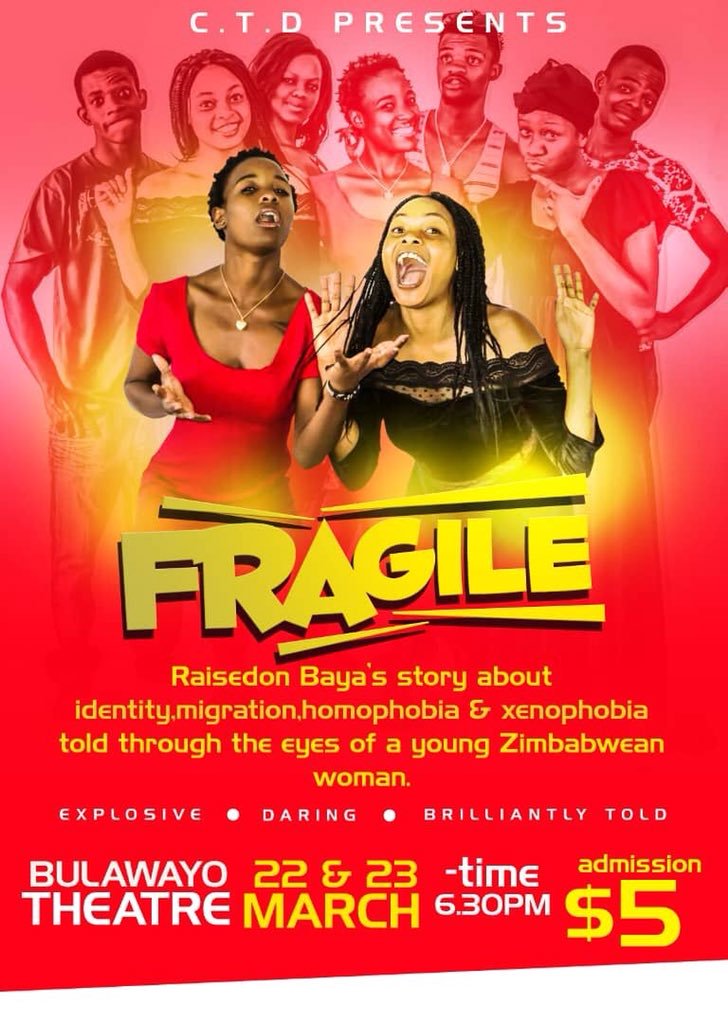
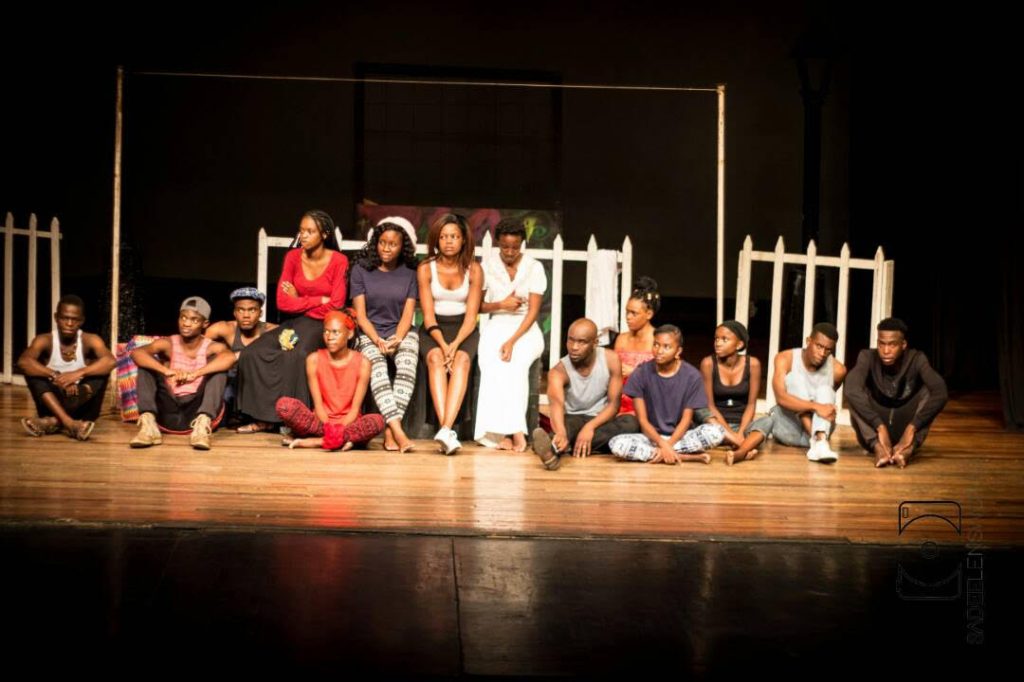
Cutting to the chase, I went to watch a stage performance called “Fragile” this past Friday which was being shown as an early commemoration of World Theatre Day (27th of March (today)), as eloquently introduced to us by Lady Tshawe. I initially thought it would simply be a case of me supporting local artists, but I was most pleasantly surprised to discover that I was in fact the one on the receiving end! I left the gripping performance engulfed by emotion as the myriad of pertinent themes portrayed during the performance tugged at my heartstrings. This was more than just a show, this was, as described by the banner, explosive, daring, and brilliantly told, this was Fragile!
My thoughts
I cannot begin to do justice to the theatrical mastery I witnessed. From the flawless scene transitions, to the very fact that the same small cast took on such varied rolls from being mere walls at one stage, to xenophobic rioters in the next with such ease. I have had the privilege of watching performances with much greater budgets, but never before have I been so captivated by the raw talent of actors and their story from start to finish with no support of fancy props or extravagant lighting. It was the kind of show that could still have scored top marks had there been a power outage and only a flashlight was available to light the stage! This is because the actors were the play, and they showed that they owned the stage.
Sex in university, rape, abortions, homophobia, xenophobia, these are only a fraction of the themes that were masterfully woven together to give the ignorant spectator a palpable sense of the real situation in Zimbabwe. As the story progressed, my level of privilege became ever so apparent. I realised how many of us, myself included, have become so complacent with the status quo because we are surviving, that we’ve taken little to no regard to the fact that the state of the nation is driving an enormous wedge between families. Our gross lack of unemployment has resulted in breadwinners battling it out on the life-threatening streets of “eGoli”, simply because it’s better to die trying than to watch your family die. I couldn’t help but wonder, where did we go wrong as a nation? When did greed so penetrate our conscience that the essence of Ubuntu was left to die in the cold?
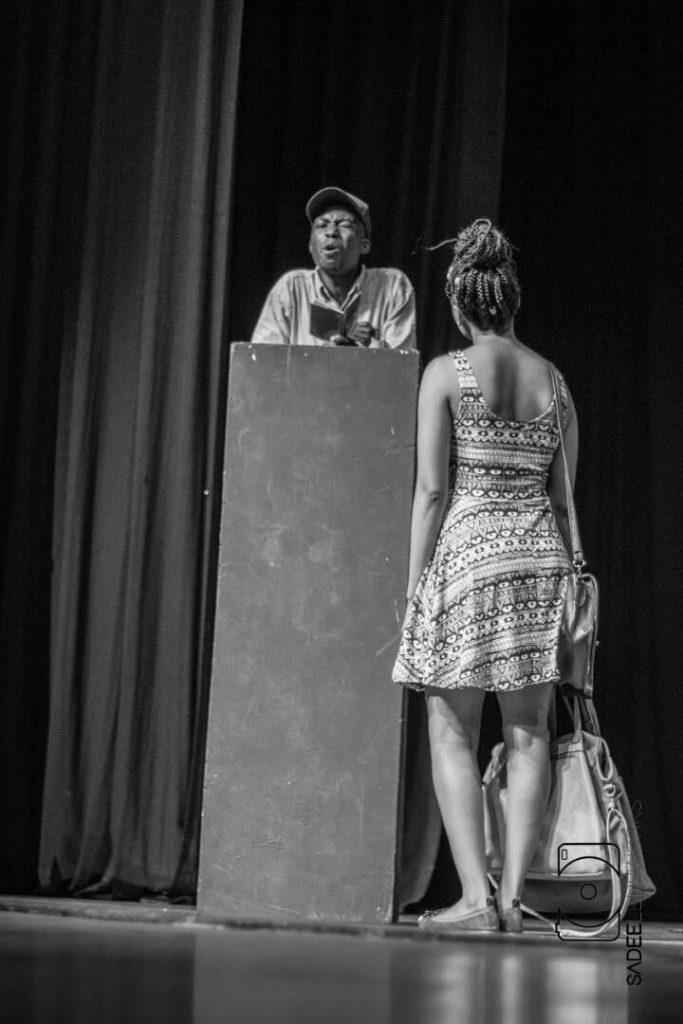
As the story progressed, and we saw a young university girl embarking on a journey to the city of gold in pursuit of her sister, the rude condescending service we are often subjected to at the border posts was highlighted. One couldn’t help but wonder, was it these man-made borders that made us like this? Did the differing names and geographical locations of our countries make us forget that we were all one? Had we as a people been colonised to such a degree that we started to hate ourselves? I could only but ponder. It was alluded to in the play that Zimbabwe housed some of South Africa’s freedom fighters, and surely all in the name of democracy. But what was the point of the armed struggles if it’d only lead to us struggling against each other heavily armed.
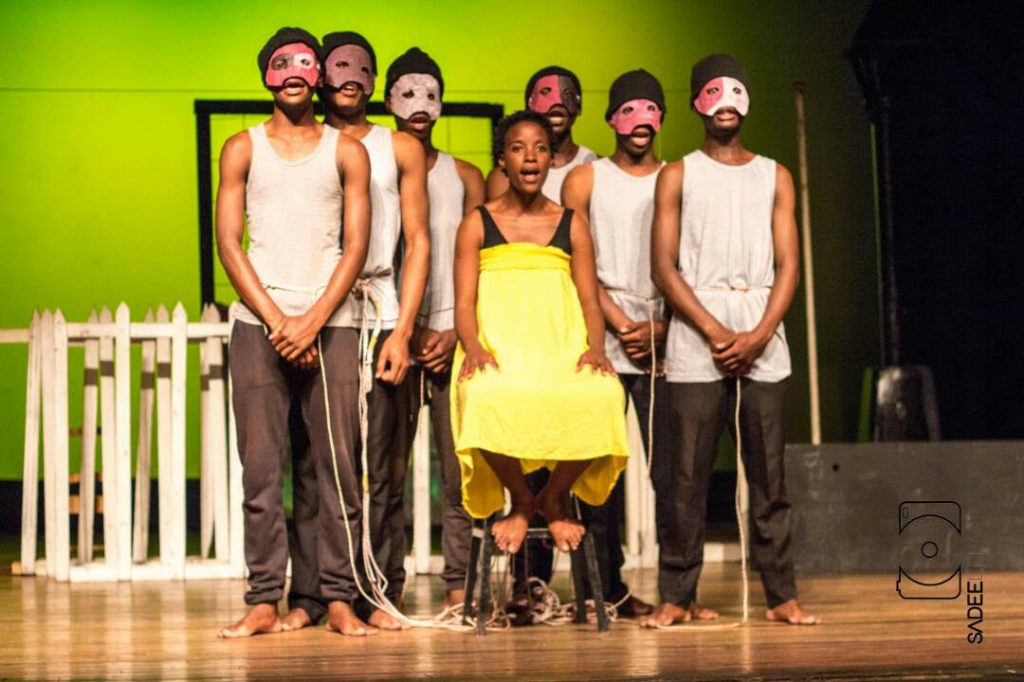
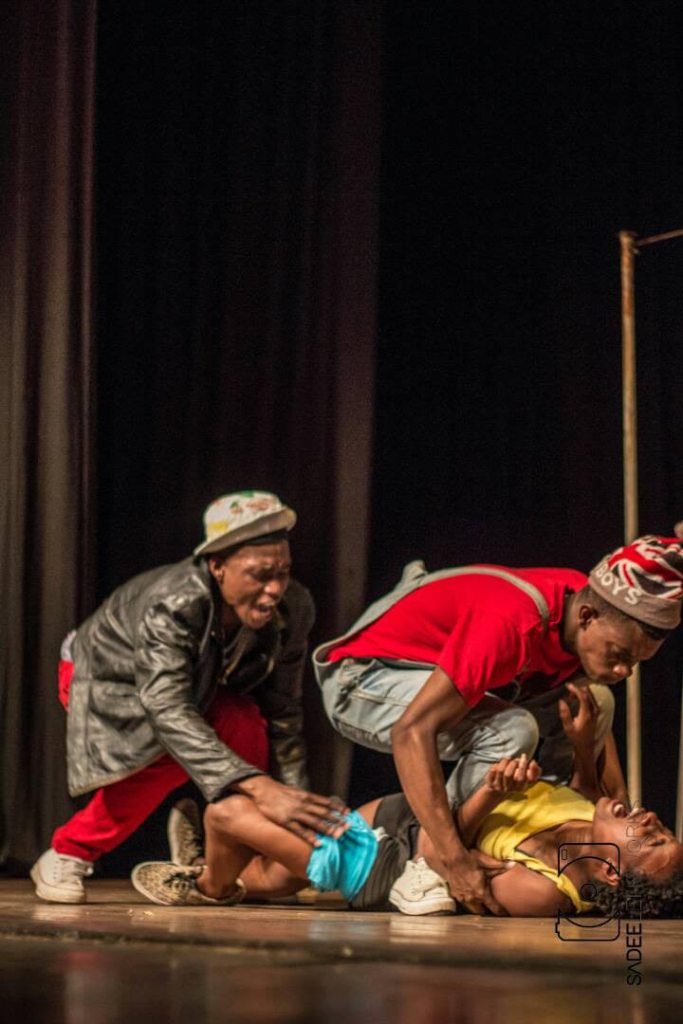
Undoubtedly however, the theme of xenophobia rang loudest. If the utterance of “Kwerekwere” echoed so loud in my head from a ninety-minute show, imagine how deafening it would be for brothers and sisters that find themselves in foreign lands for reasons beyond their control. Imagine the psychological impact it has on young children as they grow up in a society where they know they are unwanted and are supposedly inferior to their peers. There was an illustration of a child in the performance who was nothing short of livid upon establishing that she was in fact Zimbabwean as her South African friends had teased her to be. My heart sobbed. For such a proud nation, it is devastating to think that some people would rather be identified as non-Zimbabwean, I do however appreciate that we have a great responsibility of rebuilding Zimbabwe to that country that it’s people can be gladly proud and boastful of.
Ultimately
Whilst I wish I could sit here and share all my thoughts, I do not want to steal from you the unique experience of sitting in a theatre and letting the competent actors put you in their shoes as you travel the road less travelled. I was nothing short of appalled by the poor attendance for this spectacular performance, and I’d encourage everyone, whether in Bulawayo or Harare, Gweru or Mutare, Kwekwe or Victoria Falls, SUPPORT YOUR LOCAL ARTISTS! As aforementioned, you may find that they’d be doing you more of a favour than the reverse. And as someone who has some wonderful memories on the stage, nothing gets you going quite like having an engaging audience! But when all is said and done, remember, nobody tells Zimbabwean stories better than Zimbabweans!
Hearty congratulations to the cast, and Mr. Raisedon Baya, the award-winning playwright, for such a well-executed play! I wish I had come across his Twitter profile sooner and I’d maybe have been exposed to such greatness much earlier on! But as the saying goes, there’s no time like the present, and it’s exciting to know that Bulawayo still has such excellent artists who remain committed to their trade regardless of the harsh economic situation. You are the heroes of our city!
As usual, I’d greatly appreciate your feedback, whichever way you may choose to share it, though the comments section benefits more people, particularly if it’s a contribution.
Yours truly,
Terry – Nesu
This blog content is copyright of terrynesu.com – ©. All rights reserved.
The post Makwerekwere! appeared first on Terry-Nesu blog.
 Terry-Nesu